
Introduction To Ayurvedic Medicine for Cholesterol: Natural Ways to Support Healthy Cholesterol Levels
High cholesterol is one of the leading risk factors for heart disease and stroke, affecting millions of people worldwide. While medications are commonly prescribed to manage cholesterol levels, many individuals are also exploring natural approaches to support their heart health. One such approach is Ayurvedic Medicine For Cholesterol, which has been used in traditional Indian medicine for centuries to promote overall wellness and maintain balance within the body.
Ayurveda focuses on treating the root cause of health concerns through a combination of herbal remedies, a balanced diet, healthy lifestyle habits, and proper digestion. Several Ayurvedic herbs, including Guggul, Arjuna, Amla, and Fenugreek, have traditionally been used to support healthy cholesterol metabolism and cardiovascular function. When combined with regular exercise, nutritious eating habits, and guidance from a healthcare professional, these herbs may help support healthy cholesterol levels as part of an overall wellness routine.
In this comprehensive guide, you’ll learn what cholesterol is, the common causes and symptoms of high cholesterol, how Ayurvedic Medicine For Cholesterol may help support heart health, the best Ayurvedic herbs traditionally used for cholesterol management, foods to eat and avoid, lifestyle tips, important precautions, and answers to frequently asked questions. Whether you’re looking to improve your heart health naturally or simply want to learn more about Ayurveda, this article will provide practical and easy-to-understand information to help you make informed decisions.
What Is Cholesterol?
Cholesterol is a waxy, fat-like substance found in every cell of your body. It plays an essential role in producing hormones, vitamin D, and substances that help digest food. Your liver naturally produces cholesterol, and it is also obtained from certain foods.
There are two main types of cholesterol:
LDL (Low-Density Lipoprotein)
Often referred to as “bad cholesterol,” LDL can build up inside the walls of your arteries over time. Excessive LDL levels may increase the risk of heart disease and stroke.
HDL (High-Density Lipoprotein)
Known as “good cholesterol,” HDL helps carry excess cholesterol back to the liver, where it is removed from the body.
Triglycerides
These are another type of fat found in your blood. High triglyceride levels, especially when combined with high LDL and low HDL, may increase cardiovascular risk.
Maintaining a healthy balance between these blood lipids is important for long-term heart health.
Common Causes of High Cholesterol
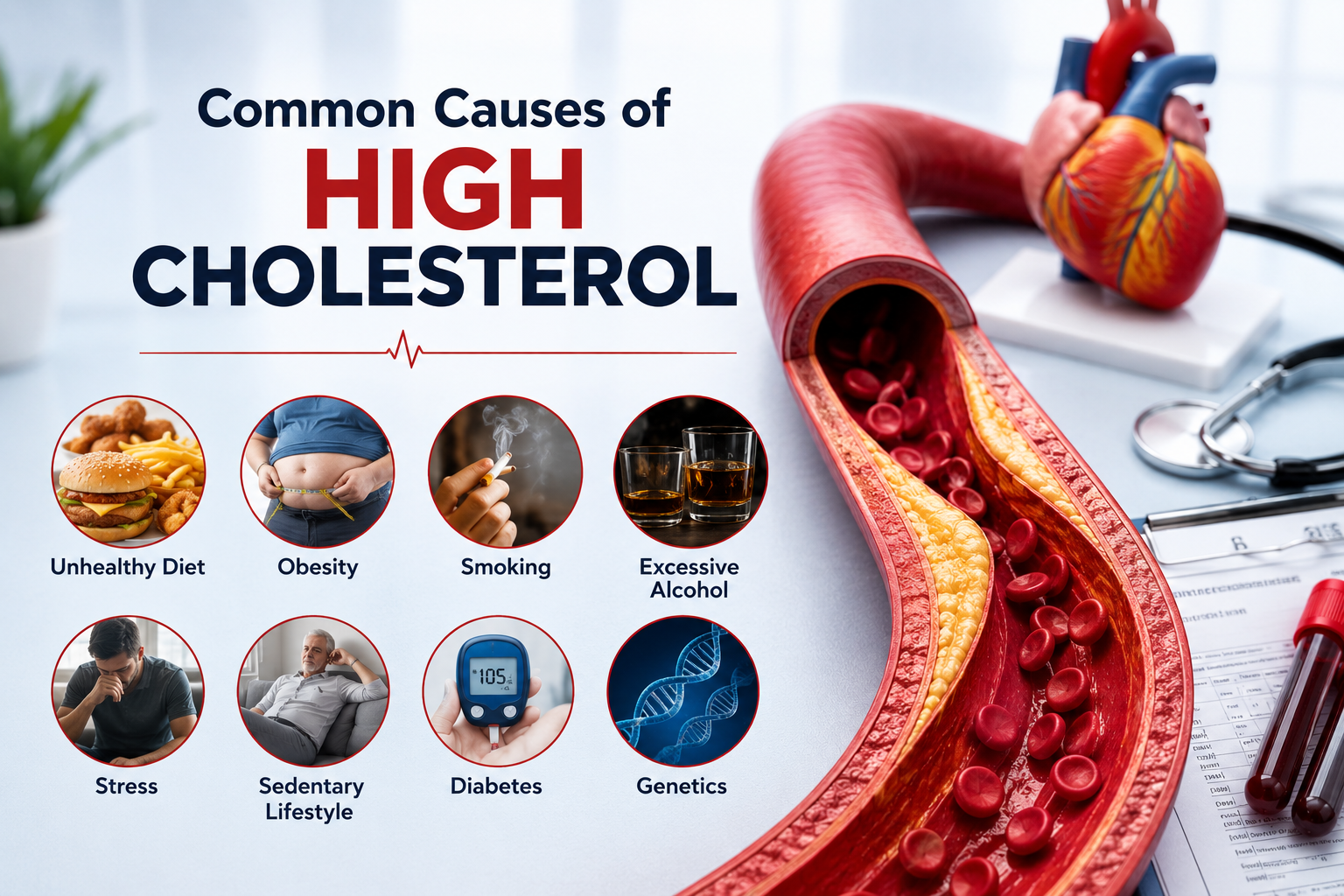
Several factors can contribute to elevated cholesterol levels. Some are related to lifestyle, while others may be influenced by genetics or medical conditions.
Common causes include:
- Eating foods high in saturated and trans fats
- Lack of physical activity
- Being overweight or obese
- Smoking
- Excessive alcohol consumption
- Diabetes
- Hypothyroidism
- Family history of high cholesterol
- Increasing age
- Chronic stress
Understanding these risk factors can help you make healthier lifestyle choices.
Here we Ayurvedic Medicine For Cholesterol
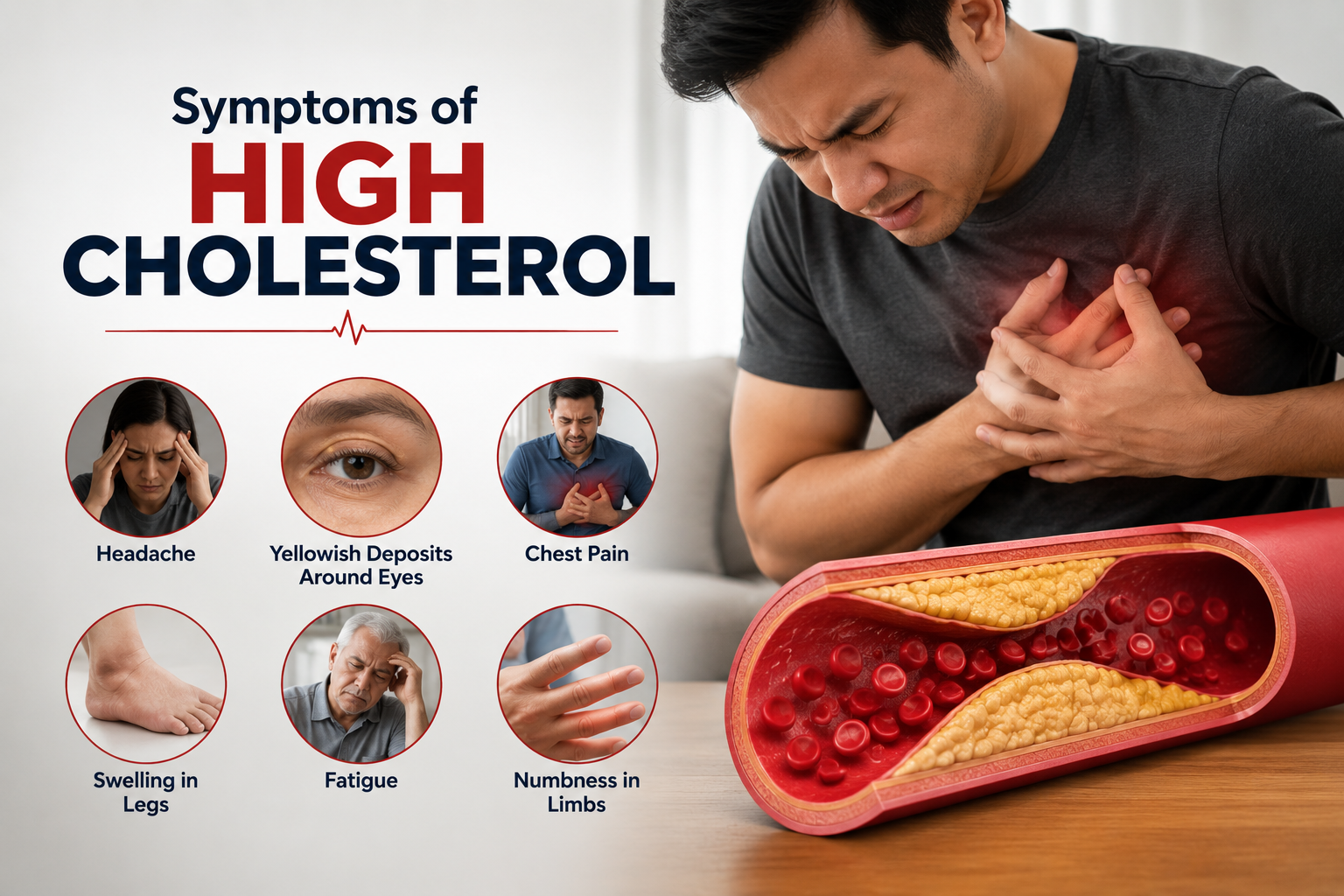
Symptoms of High Cholesterol
High cholesterol usually develops silently and often causes no noticeable symptoms.
Many people discover they have high cholesterol only after undergoing a blood test or experiencing a heart-related problem.
When cholesterol remains uncontrolled for many years, it may contribute to complications such as:
- Chest pain (angina)
- Heart attack
- Stroke
- Peripheral artery disease
Because there are often no early warning signs, regular cholesterol screening is essential, especially if you have risk factors.
Ayurveda takes a holistic approach to wellness by focusing on digestion, metabolism, balanced nutrition, and healthy daily habits.
Many Ayurvedic herbs have traditionally been used to support healthy fat metabolism and cardiovascular wellness. Some herbs are also rich in natural antioxidants that may help protect cells from oxidative stress.
The goal of Ayurvedic Medicine For Cholesterol is generally to support overall heart health alongside healthy eating, regular exercise, stress management, and medical care when necessary.
Although scientific research on many Ayurvedic herbs is promising, more high-quality clinical studies are still needed. Therefore, herbal supplements should be viewed as supportive wellness products rather than cures for high cholesterol.
Best Ayurvedic Herbs Traditionally Used for Cholesterol Support
Several herbs have been used in Ayurveda for centuries to support cardiovascular health.
1. Arjuna (Terminalia arjuna)
Arjuna is one of Ayurveda’s best-known herbs for supporting heart health. It has traditionally been used to promote healthy circulation and cardiovascular function.
2. Guggul (Commiphora mukul)
Guggul has long been included in Ayurvedic formulations intended to support healthy cholesterol and lipid metabolism. It remains one of the most commonly used herbs in Ayurvedic Medicine For Cholesterol.
3. Garlic (Lahsun)
Garlic is widely recognized for its heart-supporting properties. It contains natural sulfur compounds that have been studied for their potential cardiovascular benefits.
4. Fenugreek (Methi)
Fenugreek seeds are rich in soluble fiber, which may help support healthy cholesterol levels when consumed as part of a balanced diet.
5. Amla (Indian Gooseberry)
Amla is an excellent source of vitamin C and natural antioxidants. It has traditionally been used to promote overall wellness and support cardiovascular health.
6. Turmeric (Haldi)
Turmeric contains curcumin, a natural compound known for its antioxidant and anti-inflammatory properties. It is commonly included in Ayurvedic wellness formulations.
7. Ashwagandha
Ashwagandha is primarily known for supporting stress management. Since chronic stress may indirectly affect heart health, it is often included in holistic wellness routines.
Many Ayurvedic supplements combine several of these herbs to provide comprehensive cardiovascular support.
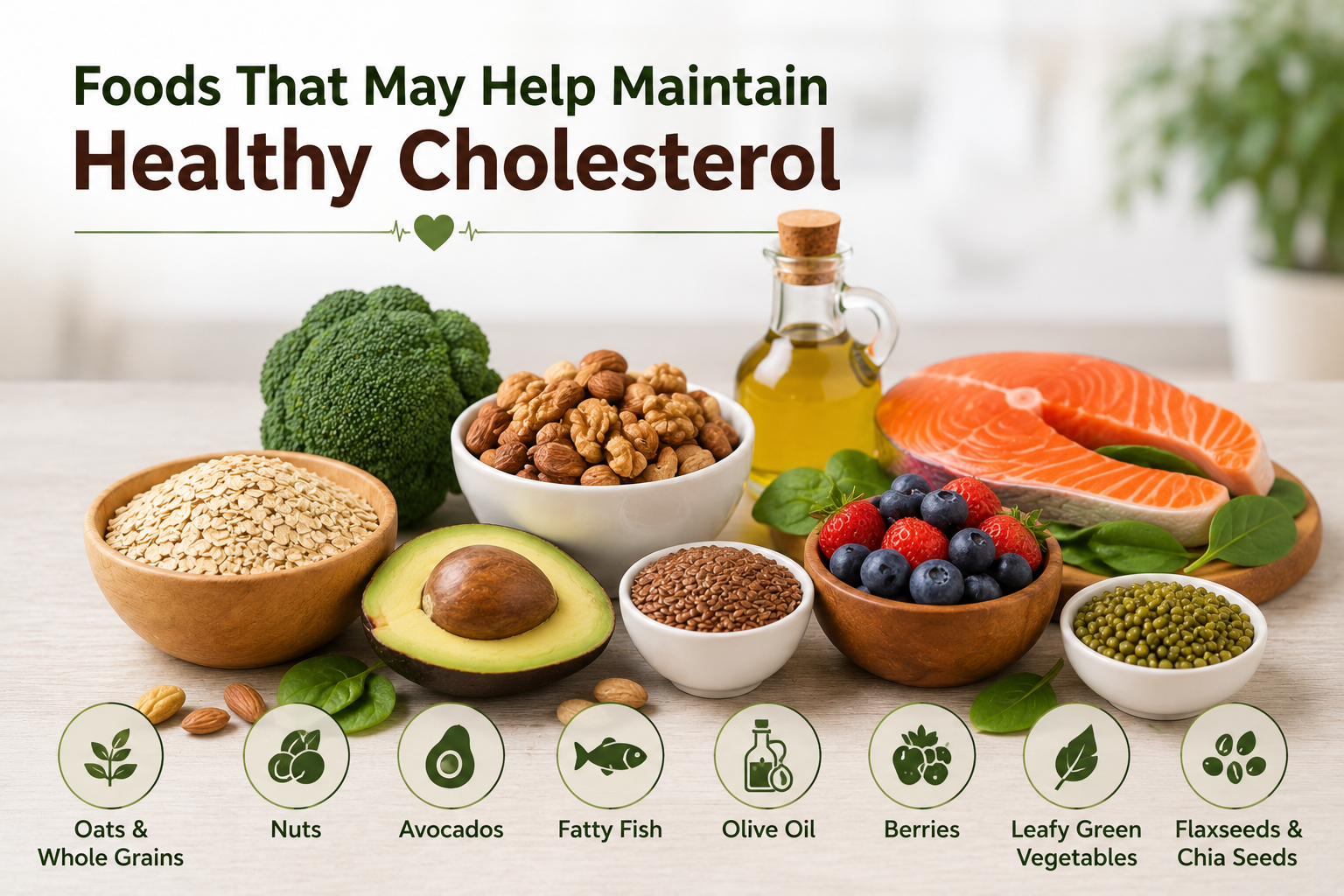
Foods That May Help Maintain Healthy Cholesterol
Healthy eating is one of the most effective ways to manage cholesterol naturally.
Foods that may support healthy cholesterol levels include:
- Oats and whole grains
- Barley
- Fresh fruits
- Leafy green vegetables
- Broccoli
- Carrots
- Beans and lentils
- Almonds
- Walnuts
- Flaxseeds
- Chia seeds
- Olive oil
- Avocados
- Fatty fish rich in omega-3 fatty acids (if included in your diet)
These foods provide fiber, healthy fats, vitamins, minerals, and antioxidants that support overall heart health.
Foods to Limit or Avoid
- Foods containing trans fats
- Excessive red meat
- Highly processed foods
Moderation is key, and replacing unhealthy foods with nutritious alternatives can make a significant difference.
Healthy habits play a major role in cholesterol management.
Consider following these daily practices:
- Exercise for at least 30 minutes most days of the week.
- Maintain a healthy body weight.
- Eat a balanced diet rich in fruits, vegetables, and whole grains.
- Quit smoking if you smoke.
- Limit alcohol intake.
- Manage stress through yoga, meditation, or deep breathing exercises.
- Get 7–9 hours of quality sleep.
- Drink enough water throughout the day.
- Schedule regular health check-ups and cholesterol tests.
Combining these habits with Ayurvedic Medicine For Cholesterol may help support long-term heart health.
Who Can Consider Ayurvedic Cholesterol Supplements?
Ayurvedic cholesterol supplements may be suitable for:
- Adults looking to support healthy cholesterol levels naturally.
- Individuals interested in traditional herbal wellness.
- People following a heart-healthy diet and active lifestyle.
- Those who have discussed herbal supplements with their healthcare provider.
These supplements should always be used as part of an overall wellness plan—not as a replacement for prescribed cholesterol-lowering medications.
Pregnant or breastfeeding women, children, and individuals with chronic medical conditions should seek professional medical advice before using herbal products. Here is the Ayurvedic best Ayurvedic Medicine For Cholesterol
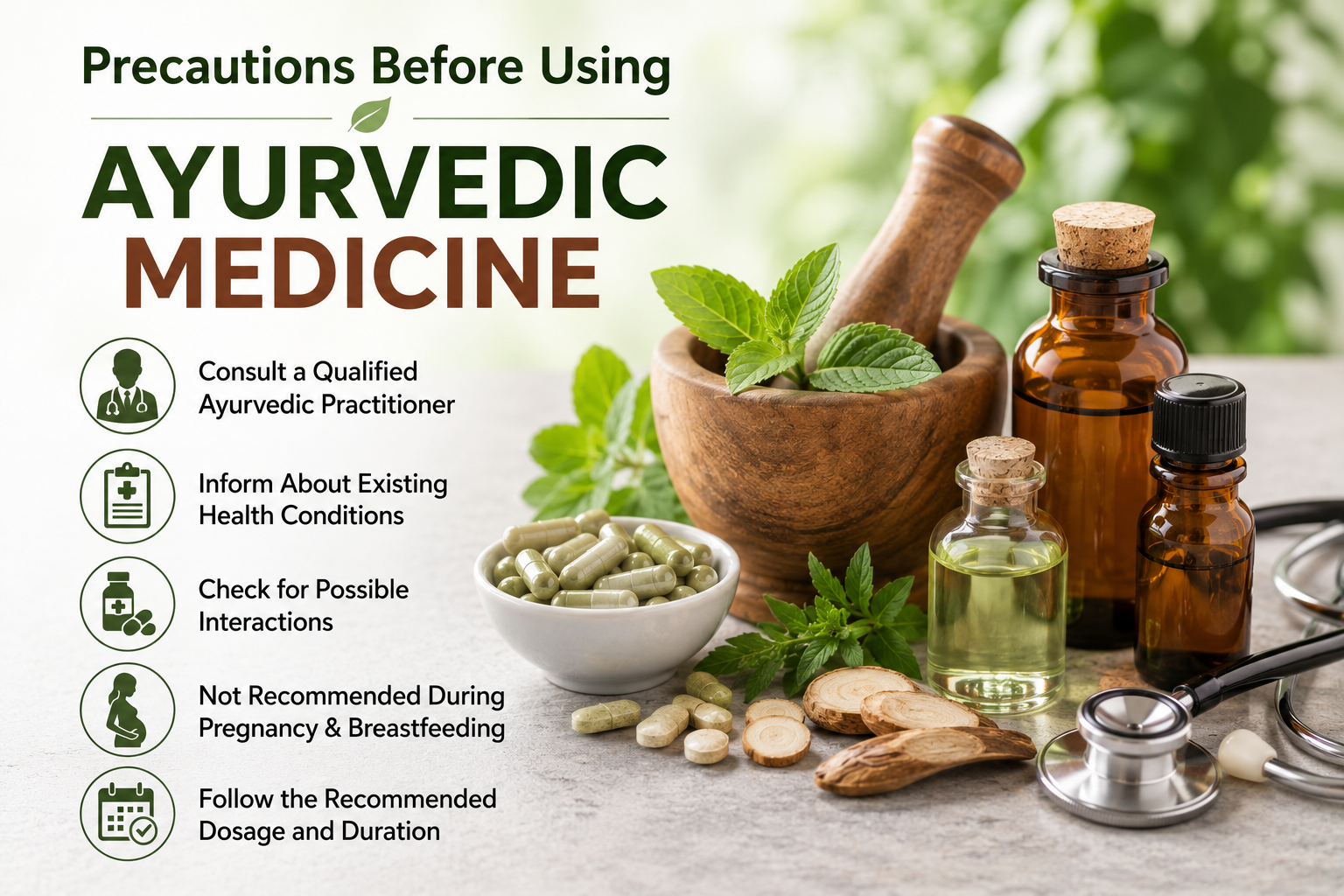
Precautions Before Using Ayurvedic Medicine
Although Ayurvedic herbs are natural, they can still interact with medications or cause side effects in some individuals.
Before starting Ayurvedic Medicine For Cholesterol, keep these precautions in mind:
- Consult your doctor if you take cholesterol-lowering medication.
- Inform your healthcare provider about all supplements you use.
- Follow the recommended dosage.
- Purchase products from reputable manufacturers.
- Read the ingredient list carefully.
- Stop using the supplement if you experience unexpected side effects.
- Continue regular cholesterol monitoring as advised by your healthcare provider.
Natural does not always mean risk-free, so responsible use is important.
Frequently Asked Questions (FAQs)
Cholesterol Balance






[…] Ayurvedic Medicine For Cholesterol […]
[…] Ayurvedic Medicine For Cholesterol […]